Jesus Heartbeat SVG: An Embroidery Design Review
As a professional embroidery designer and product reviewer, I approach every new digital asset with a critical eye. When evaluating the Jesus Heartbeat SVG for potential use in client projects or shop inventory, my primary concern is always translatability. A graphic that looks stunning on a screen does not always stitch out cleanly on fabric. This review breaks down the practical realities of using this specific machine embroidery design, focusing on how it performs when moved from digital graphics to tangible, stitched goods.
First Impressions and Visual Mood
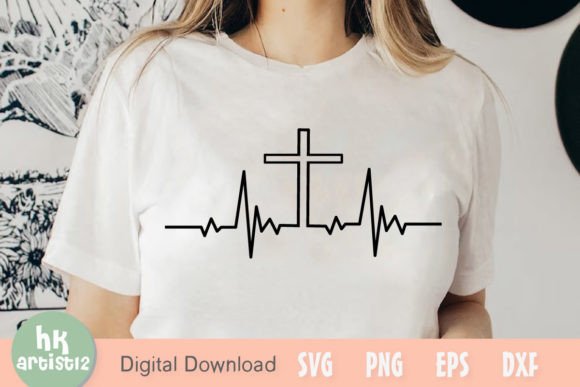
Upon opening the Jesus Heartbeat SVG, the immediate impression is one of modern minimalism blended with spiritual sentiment. The design typically features an EKG line that transitions into text or a heart shape, creating a continuous visual flow. For an embroidery project, this linear aesthetic is generally favorable because it avoids large, dense fill areas that can cause fabric puckering. The mood is uplifting yet understated, making it versatile enough for both personal faith expressions and broader inspirational merchandise.
From a design hierarchy perspective, the balance between the heartbeat line and the typography is crucial. In many graphics of this style, the text can sometimes get lost if the line weight is too heavy. However, this design appears optimized for clarity. As a crafter or Etsy seller, you want a design that reads instantly from a distance, whether on a sweatshirt across a room or a tote bag carried at a market. This SVG achieves that visual recognition without feeling cluttered, which is essential for maintaining a professional handmade product appearance.
Real-World Application: Stitching a Custom Sweatshirt
To truly evaluate this asset, I mentally walked through a recent commission: a custom crewneck sweatshirt for a church youth group leader. The goal was a garment that felt trendy and wearable, not stiff or overly traditional. The Jesus Heartbeat SVG was selected for its contemporary vibe. When planning this sweatshirt embroidery, placement became the first technical consideration. Center-chest placement works beautifully here because the horizontal orientation of the heartbeat mimics the natural width of the chest area.
During the digitizing preparation phase, I considered how the satin stitch elements would interact with fleece fabric. Fleece has a high pile, which can swallow thin running stitches. If you are using this design on textured fabrics like terry cloth or heavy cotton blends, you must ensure the stitch density is sufficient to sit on top of the fibers rather than sinking in. For this specific project, adding a topping stabilizer was non-negotiable to keep the EKG line crisp. The result was a clean, legible design that maintained the integrity of the original graphic while adapting to the physical constraints of the garment.
Navigating Fabric Choices and Stabilization
One of the most common questions I receive from fellow makers involves fabric compatibility. While the Jesus Heartbeat SVG is marketed for various crafts, embroidery requires specific attention to substrate. On stable woven fabrics like canvas tote bags or denim aprons, this design is remarkably forgiving. The structure of the fabric supports the stitch path naturally, requiring only standard cut-away stabilizer for long-term durability.
However, caution is required when applying this to stretchy knits or performance wear. Because the design relies on linear continuity, any distortion during hooping will be immediately visible as a wavy or broken line. If you are producing commercial embroidery items on activewear or baby onesies, test the tension first. Baby embroidery presents unique challenges due to the delicate nature of the fabric; ensure the backing is soft against the skin and that the stitch count isn't so dense that it creates a rigid patch on a flexible garment. Always verify that your hoop size accommodates the full width of the design without needing to resize excessively, as scaling can alter stitch density and affect the final drape.
Commercial Viability for Small Businesses
For Etsy sellers and small shop owners, time is money. A digital embroidery file that requires extensive editing before stitching eats into profit margins. This design’s strength lies in its adaptability across multiple product categories. Beyond apparel, it translates exceptionally well to hard goods. I have seen similar heartbeat designs perform successfully on ceramic mugs and tumblers, provided the curvature of the surface is accounted for during hooping.
When listing finished products, the professionalism of the stitch-out directly correlates to customer trust. A jagged EKG line or bunched lettering suggests poor quality control. Conversely, a smooth, well-executed Jesus Heartbeat SVG signals expertise. For those selling digital assets or printable mockups, ensure you preview the design on both light and dark backgrounds. High contrast is key; white thread on a navy sweatshirt pops significantly better than grey on heather charcoal. This attention to detail in your product photography and mockups helps bridge the gap between browsing and buying.
Critical Technical Considerations and Limitations
No design is perfect for every scenario, and honest evaluation requires acknowledging limitations. While this SVG is excellent for medium-to-large applications, shrinking it down for tiny accents can be problematic. Detailed corners and sharp turns in the heartbeat line may become rounded or indistinct at very small sizes. If you intend to use this as a pocket logo or sleeve accent, run a test stitch on scrap fabric first. Inspect the smallest details under magnification if necessary to ensure legibility.
Additionally, consider the washing requirements of the intended end-use. Kitchen towels and tea towels undergo frequent laundering and high heat. Ensure your thread colors are colorfast and that the stabilizer used is permanent rather than tear-away, which can degrade over time. For items like nursery decor or blankets, safety is paramount; check for any loose jump stitches or unsecured tails that could pose a hazard. A secure, clean backside is just as important as the front for baby embroidery and personalized gifts.
Designer Notes for Optimal Results
Before committing this design to a final product or adding it to your commercial embroidery lineup, adhere to these practical checkpoints:
- Verify Licensing: Always confirm the specific license terms included with the Jesus Heartbeat SVG. Some files allow for unlimited physical sales but restrict digital redistribution or mass production.
- Test on Target Fabric: Never assume a setting that worked on cotton will work on polyester. Stitch density and pull compensation vary by material.
- Check Thread Contrast: View your thread selection in natural lighting. What looks distinct on a monitor may blend together in real life.
- Evaluate Resize Capabilities: If the file is purely vector-based SVG, ensure your embroidery software converts it correctly to stitches. If it is a pre-digitized embroidery file, respect the recommended size range to avoid stitch gaps or excessive density.
- Mockup Realistically: Use printable mockups that show fabric texture. Flat, textureless previews can mislead customers about the tactile quality of the handmade product.
Final Verdict on Usability
The Jesus Heartbeat SVG stands out as a reliable, versatile asset for the serious maker. It bridges the gap between religious expression and modern design trends effectively. Its linear construction makes it generally friendly for embroidery, provided the user respects the technical demands of their chosen fabric. Whether you are crafting a personalized gift for a loved one or stocking your boutique with faith-based apparel, this design offers a strong foundation for success. By approaching it with technical mindfulness and testing rigorously, you can transform this digital graphic into a high-quality embroidered piece that resonates with customers and withstands the test of daily wear.