Jesus is the Reason: A Retro Design Review
As a professional embroidery digitizer and product reviewer, I approach every new machine embroidery design with a healthy dose of skepticism. The market is flooded with graphics that look beautiful on a screen but fail catastrophically under the needle. When evaluating "Jesus is the Reason for the Retro Design," my primary concern was not just its aesthetic appeal as a digital graphic, but its structural integrity as a stitch file. This review breaks down how this specific retro-inspired asset performs in real-world production environments, from custom apparel to boutique merchandise.
First Impressions: Visual Mood and Stitch Translation
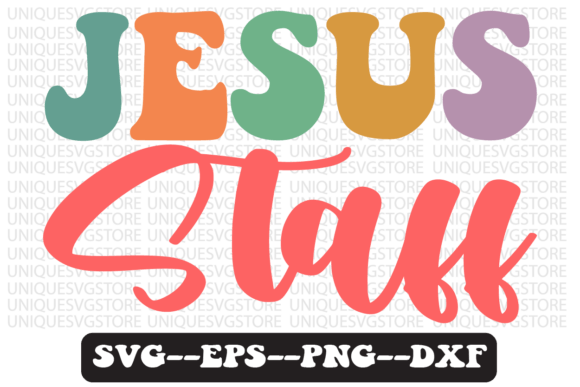
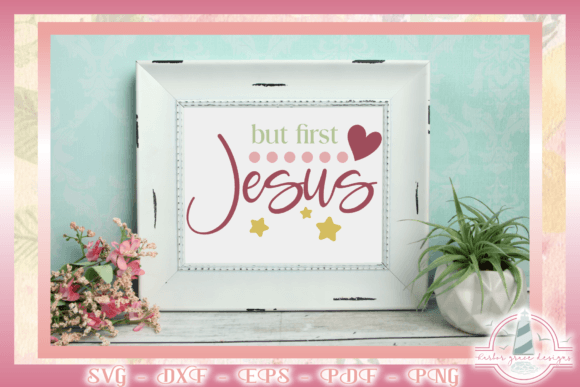
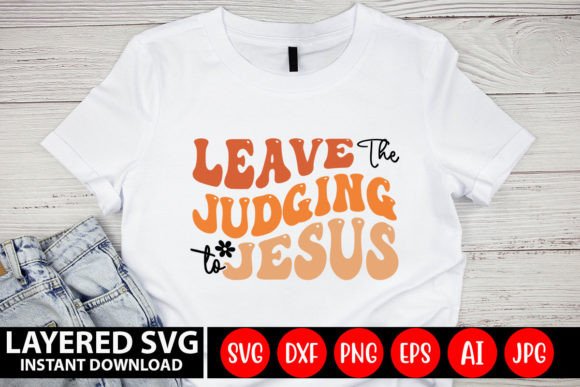
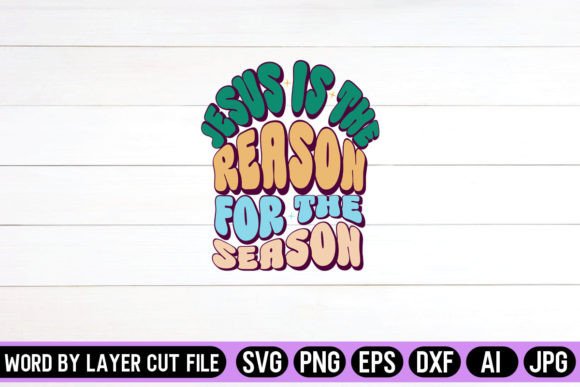
Upon opening the provided .zip file, which includes AI, SVG, PNG, EPS, and DXF formats, the immediate takeaway is the nostalgic warmth of the artwork. Retro typography carries a specific weight; it relies on curves, varying line weights, and often distressed textures. As an embroidery file, this presents both opportunities and challenges. The visual personality here feels authentic to the 70s revival trend currently dominating the faith-based niche. It does not feel sterile or overly modernized, which is crucial for connecting with customers seeking vintage-inspired spiritual items.
However, translating this mood into thread requires careful consideration of stitch density. Retro designs often feature tapered lines that mimic brush strokes. In my assessment, this design works best when treated as a layered composition rather than a single dense block. The separation of elements allows for better registration on fabric, preventing the puckering that often plagues complex text designs. The layout suggests a balanced center chest placement or a large tote bag focal point, maintaining readability without overwhelming the garment.
Real-World Application: The Sweatshirt Test
To truly evaluate this asset, I mentally simulated a production run for a high-demand item: a heavyweight cotton sweatshirt. This is a staple for Etsy sellers and small shop owners during the holiday season. For this project, "Jesus is the Reason for the Retro Design" serves as more than just decoration; it acts as a conversation starter and a value driver.
In a sweatshirt application, the retro lettering needs to interact harmoniously with the fleece texture. Fleece is unforgiving; stitches can sink, and fine details disappear. Because this design utilizes a word-by-layer structure, it offers superior versatility compared to flat vector art. I envision using a combination of satin stitch for the bold outer strokes to create definition against the nap of the fabric, while utilizing lighter fill stitch or even negative space for interior details. This contrast is what elevates a handmade product above mass-produced alternatives. Customers recognize quality stitching, and this design’s architecture supports that level of craftsmanship.
For a personalized gift scenario, such as a church retreat souvenir or a baptismal keepsake, the retro vibe softens the message, making it feel approachable and trendy rather than rigid. This increases the perceived value of the finished product, allowing makers to price their work competitively within the boutique market.
Critical Considerations for Fabric and Hoop Selection
While the design is versatile, it demands respect for technical limitations. Based on the retro aesthetic, there are specific scenarios where caution is required:
- Stretchy Fabrics: If applying this to performance tees or ribbed knits, the retro curves can distort easily. You must use appropriate stabilizer, likely a cut-away mesh, to maintain the shape of the lettering during and after stitching.
- Small Hoop Sizes: Retro fonts lose their character when shrunk too small. The intricate serifs and tapers require adequate space. I would advise against reducing this design below a 4x4 hoop size unless you have verified that the smallest text elements remain legible and open.
- Textured Surfaces: On towels or canvas tote bag design projects, ensure your top stabilizer is sufficient. The retro style depends on clean edges; if the fabric texture pushes through the stitches, the vintage illusion breaks.
- Curved Surfaces: Placing this on caps requires re-digitizing or significant modification. Retro designs are typically flat; wrapping them around a curved cap brim without adjustment will result in distortion at the edges.
Always verify your specific machine's compatibility and the exact dimensions before committing to a final product. While the download provides excellent source files like DXF and EPS for editing, the end-user must confirm hoop size suitability for their specific equipment.
Enhancing Brand Value and Customer Trust
For creative entrepreneurs and Etsy sellers, consistency is key to building a recognizable brand. "Jesus is the Reason for the Retro Design" fits seamlessly into a cohesive collection of faith-based vintage goods. When customers see a unified aesthetic across sweatshirts, patches, and nursery decor, trust increases. They understand that your shop curates intentional, high-quality design assets rather than random clipart.
The inclusion of multiple file types (AI, SVG, PNG, EPS, DXF) is a significant advantage for business owners. The PNG file allows for instant creation of printable mockup images for listings, saving hours of design time. Meanwhile, the vector files allow those with digitizing software to adjust thread colors or modify elements for specific client requests. This flexibility directly impacts profitability by reducing turnaround time and enabling customization services.
Furthermore, using professionally structured graphics signals professionalism to buyers. In the crowded Crafts category, shoppers are increasingly savvy about print-on-demand versus genuine handmade quality. A well-executed embroidery project based on this retro design demonstrates attention to detail that fosters buyer engagement and repeat sales.
Designer Notes for Successful Execution
Before listing any item featuring this design for sale, adhere to these practical protocols to ensure commercial viability:
- Test Stitching is Mandatory: Never run this on a final garment first. Test on scrap fabric that matches your intended product's weight and weave. Check for thread breaks, registration issues, or excessive density.
- Contrast Verification: Retro designs often rely on color blending. Test your thread colors in natural lighting. What looks good on a backlit monitor may lack contrast on dark navy or charcoal fabric. Ensure the message remains readable.
- Licensing Confirmation: Although this is a digital download, always review the specific license terms included in the zip file regarding commercial embroidery rights. Confirm whether you can sell physical finished products, digital files, or both. Protecting your business starts with respecting intellectual property.
- Mockup Accuracy: When creating listing photos, use realistic mockups that represent the actual stitch-out. Do not mislead customers with flat digital vectors if the final product has texture. Honest presentation reduces returns and builds long-term reputation.
- Wash Testing: If selling baby items or kitchen textiles, wash your test sample. Retro satin stitches can fray if not properly secured. Ensure the design holds up to the laundering expectations of the target demographic.
Final Verdict for Makers
"Jesus is the Reason for the Retro Design" represents a strong intersection of trending aesthetics and functional utility for the embroidery community. It avoids the trap of being overly simplistic while remaining accessible to intermediate digitizers and embroiderers. Whether you are creating a custom apparel line for a ministry, stocking a craft fair booth, or expanding your digital product catalog, this asset offers a solid foundation.
Success with this design lies in respecting the medium. Treat it as a blueprint for textile art, not just a picture. By paying attention to stabilization, fabric choice, and color theory, you can transform these digital files into tangible, meaningful products that resonate deeply with buyers. For the serious maker, this retro design is a worthy addition to the production library, capable of driving both creative satisfaction and commercial success.