Jesus Saved My Life Sublimation: An Embroidery Review
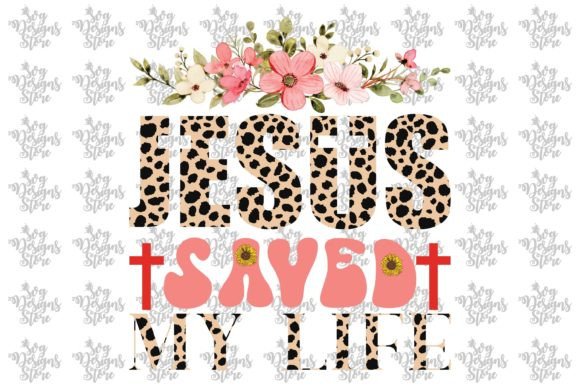
As a professional embroidery designer and product reviewer, I approach every new graphic asset with a specific question: will this actually translate to thread? When evaluating the Jesus Saved My Life Jesus Sublimation file, my first impression is that this is a bold, faith-centered statement piece. The high-resolution 4500×5400 pixel source file at 300 dpi offers exceptional clarity for print, but for those of us in the Crafts category working with needles and thread, we have to look past the screen. The visual personality here is unapologetically expressive. It carries a mood of testimony and gratitude that demands attention. For an embroidery project, this isn't a subtle background motif; it is the centerpiece. The layout suggests it belongs on items meant to be read and felt, making it ideal for personalized gifts or ministry-related merchandise where the message is as important as the aesthetic.
Translating High-Res Graphics to Stitched Reality
The provided Graphics package includes SVG cut files and transparent PNGs, which are excellent starting points for digitizing a custom machine embroidery design. However, because this is originally marketed as a sublimation asset, we must be realistic about adaptation. Sublimation designs often feature gradients, shadows, and fine details that do not exist in embroidery. When I review this for real-world application, I see a design that requires intelligent simplification. You cannot stitch light; you can only stitch color.
For a successful embroidery file conversion, focus on the core typography and primary illustrative elements. If the original artwork contains watercolor effects or soft shading, these must be reimagined as fill stitch textures or omitted entirely to prevent puckering. A satin stitch might work beautifully for the main lettering if the font weight allows, but thinner script lines may require a running stitch or bean stitch to maintain legibility without breaking needles. The 300 dpi resolution helps immensely when tracing in your digitizing software, ensuring your anchor points are accurate, but always remember that thread has physical thickness that pixels do not.
Real-World Application: The Custom Sweatshirt Test
To truly evaluate this design, I mentally placed it on a heavyweight cotton fleece sweatshirt—a staple for any Etsy seller or small shop product lineup. In this scenario, the Jesus Saved My Life Jesus Sublimation design serves as a powerful back print or large chest placement. For a sweatshirt embroidery project, the fabric texture provides a stable base, but the nap of the fleece can swallow fine details. This reinforces the need for bold, clean lines in your digitizing.
I envision this as a boutique product for a faith-based brand or a holiday gift for a church group. The commercial embroidery potential is high because the sentiment is evergreen yet personal. However, customer trust relies on execution. If the letters are too dense, the sweatshirt becomes stiff and unwearable. If they are too sparse, the design looks cheap against the textured fabric. Using a proper stabilizer, such as a medium-weight cutaway, is non-negotiable here to support the stitch density and prevent the garment from distorting after washing. This balance between visual impact and wearability is what separates professional handmade products from amateur attempts.
Navigating Fabric Limitations and Hoop Constraints
While this design shines on stable fabrics, there are environments where I would advise extreme caution. The complexity implied by a high-res sublimation source means this is likely not suitable for small hoop sizes. Trying to shrink this down to a 4x4 inch area for a baby embroidery project or a cap would result in illegible text and excessive jump stitches. Small lettering simply cannot hold the detail of this specific artwork.
Furthermore, avoid using this design on stretchy performance fabrics or thin knits unless you are an expert in stabilization. The sheer number of stitches required to replicate the "Jesus Saved My Life" message could create a bulletproof patch effect on delicate material, causing drape issues. Curved surfaces like caps are also risky; the horizontal span of the phrase may distort across the seam of a structured hat. For tote bag design or kitchen towels, the flat surface is forgiving, but for apparel, stick to flat, stable areas. Always consider the end-use: if the item needs frequent washing, ensure your stitch type can withstand abrasion. Satin stitches on high-friction areas may fray over time, whereas fill stitches offer better durability for daily-use custom apparel.
Designer Notes for Professional Results
Before listing this as a finished product or selling a digital embroidery file derived from this asset, run through this practical checklist. These steps protect your reputation and ensure client satisfaction:
- Test on Scrap Fabric First: Never stitch directly onto a final product without testing. Use a scrap of the exact fabric and stabilizer combination you plan to use. Check for registration issues and tension problems.
- Verify Licensing Terms: The product description lists RGB color mode and support files, but it does not explicitly state commercial embroidery licensing. As a craft business owner, you must confirm whether you are allowed to sell physical embroidered items or modified digital files before opening your shop.
- Check Thread Color Contrast: View the design in black and white mockups to ensure value contrast exists independent of color. If stitching white text on a pale pink shirt, the design may vanish. Ensure sufficient contrast for readability.
- Evaluate Stitch Density: Inspect the digitized file for overly dense areas. If the original sublimation had dark, saturated colors, your auto-digitize might have created a solid block of thread. Manually adjust density to preserve fabric hand and reduce thread consumption.
- Mockup Realistically: Use printable mockups that show fabric texture rather than flat vector previews. Customers need to see how the design interacts with the weave of a tea towel or the pile of a blanket.
- Confirm File Compatibility: While SVG and PNG are included, embroidery machines require specific formats (PES, DST, JEF, etc.). Ensure you convert correctly and test the converted file, as format translation can sometimes alter stitch parameters.
Elevating Brand Value Through Intentional Design
Ultimately, the Jesus Saved My Life Jesus Sublimation asset is a versatile foundation for creators who understand the translation process from screen to stitch. Its strength lies in its emotional resonance and high-quality source resolution, which allows for crisp tracing and confident digitizing. For Etsy sellers and makers, this design offers a pathway to create meaningful, high-value inventory that connects with buyers on a spiritual level.
However, the difference between a generic religious product and a cherished heirloom lies in the technical execution. By respecting the limitations of thread, choosing appropriate substrates, and validating your licensing, you transform a digital graphic into a tangible expression of faith. Whether used for a commemorative pillow cover, a ministry team uniform, or a best-selling sweatshirt, treat this design with the craftsmanship it deserves. Your attention to detail in the digitizing and stitching phases is what builds buyer engagement and establishes your brand as a trusted source for quality Christian crafts.